

Oklahoma to California : Some Notes on Merl Lindsay
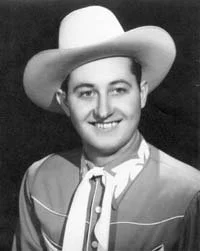
Most folks have never heard the name Merl Lindsay, and that is their problem not ours.
I’ve been thinking about Merl Lindsay this week and the strange way certain Western Swing figures slowly drift out of the larger conversation.
Merl Lindsay was born in Oklahoma City in 1916. He came out of the same Southwestern dancehall culture that produced some of the toughest and most musically sharp bands in American music. Before “Americana” became a branding term and before country music cleaned itself up for television, there were regional bands working ballrooms night after night, keeping people dancing through war years, oil booms, heartbreak, and long Oklahoma summers.
That’s the world Merl Lindsay came from…
He started playing fiddle at his father’s ballroom, Salathiel’s Barn, in the mid-1930s. By 1937 he had already formed his own band, the Barnyard Boys. Later he expanded the group and renamed them Merl Lindsay and His Oklahoma Night Riders, one of the strongest Western Swing outfits in the Southwest.
And that word matters here. Outfit.
Because Western Swing bands were not casual little groups. The great ones operated like machines. Multiple fiddles. Steel guitar. Rhythm sections that could swing all night long. Road schedules that would flatten most modern bands. These groups had to entertain dancers, radio listeners, and bar crowds all at once.
During the 1940s he owned a ballroom in Compton, California and broadcast across a four-station radio hookup through Hollywood and Long Beach. That alone tells you something important. Western Swing was never just Texas music. California was deeply tied into this story. Oklahoma musicians moved west constantly. Dancehall culture traveled with them.
You can hear that movement in the music itself.
There’s a looseness to Merl Lindsay’s records that still feels alive. Songs like “Water Baby Blues,” “Shimmy Shakin’ Daddy,” and “Stealin’ Sugar” carry that mix of jazz, country, humor, and late-night energy that made Western Swing dangerous in the best way…almost raunchy!
And his bands became training grounds for major talent, I mean, some of our leading country ladies collaborated with him.
Wanda Jackson worked with him while still in high school. So did Pretty Miss. Norma Jean before national audiences knew her name. That happened often in Western Swing. Younger artists learned by surviving the road and standing next to players who already knew how to hold a crowd together.
By the late 1950s, Lindsay had joined ABC-TV’s Ozark Jubilee, taking over the program’s ten-piece band. Television changed country music permanently during those years, but musicians like Lindsay came from an earlier system. Ballroom operators. Radio men. Road musicians. Bandleaders who built entire regional scenes from scratch. That’s part of why figures like him matter so much.
Western Swing survived because of people willing to devote their entire lives to the circuit without waiting for mainstream validation. Merl Lindsay spent decades building bands, running ballrooms, touring, broadcasting, and keeping the music moving. Not for a trend. Not for branding. Because it was his life.
He died in Oklahoma City in 1965 at only forty-nine years old , which being a woman of a certain age, reads to be frighteningly young.
But the Oklahoma Night Riders still echo through this music if you listen carefully enough. You hear it in Texas dancehall bands. If you put your phone down you can still hear it in the California players who still understand rhythm. You hear it anytime a steel guitar cuts through and somebody decides they’d rather dance than stare at their phone.
If you want to spend an evening with Merl Lindsay, here’s where I’d start:
“Water Baby Blues”
“Shimmy Shakin’ Daddy”
“Slidin’ Steel”
“Stealin Sugar” (1958) ** my personal favorite.
